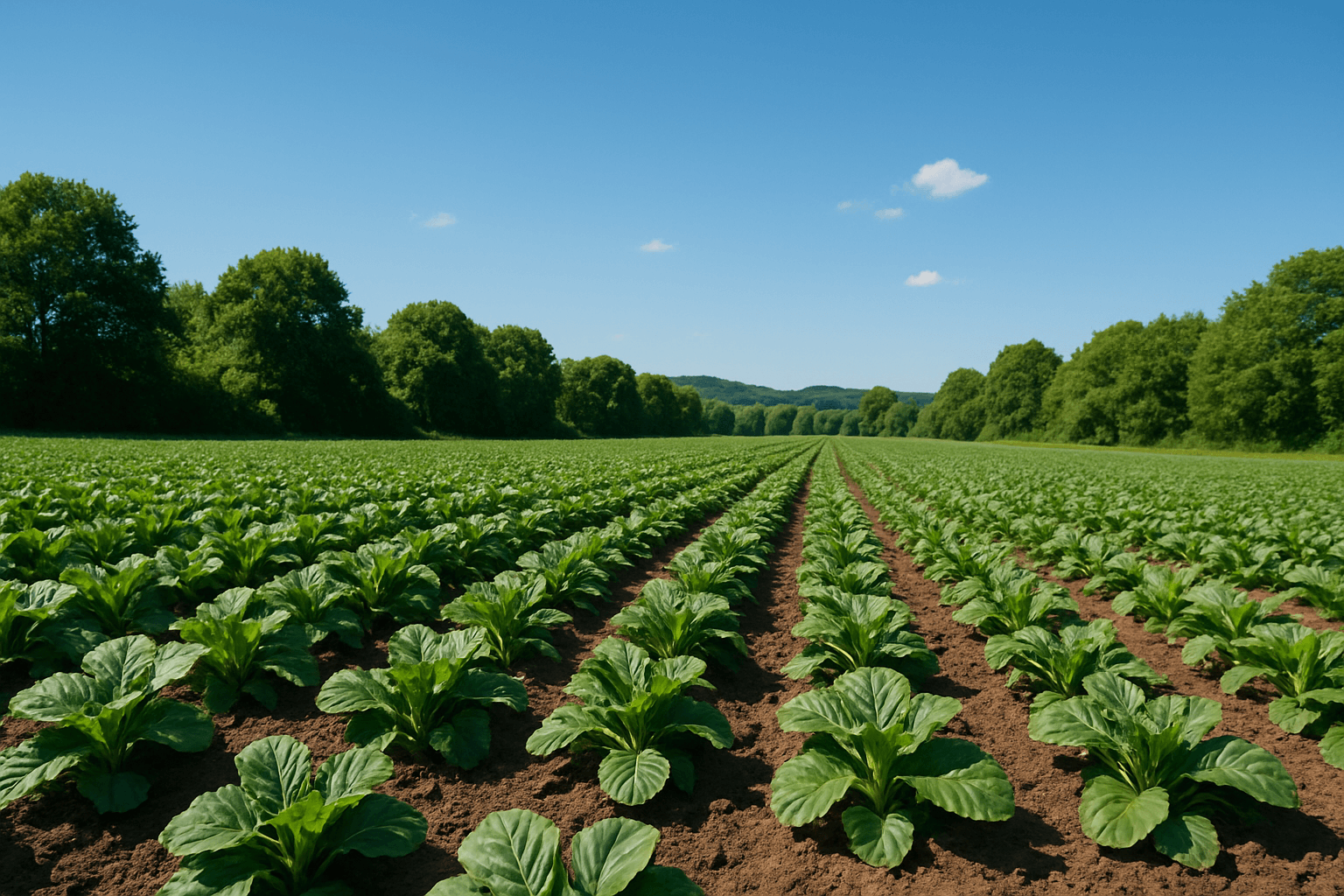
Plant Watering: Choosing the Right Regime
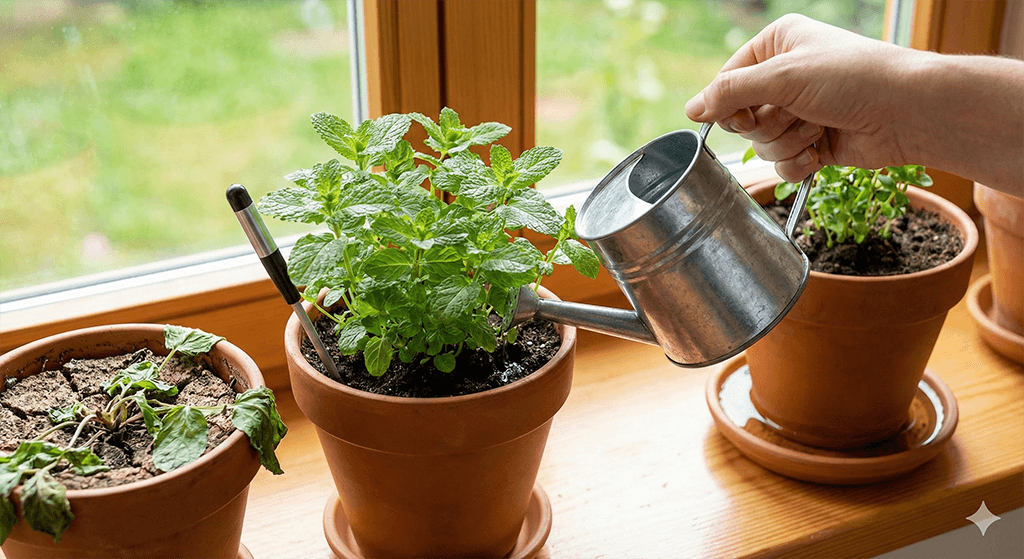
Watering is one of the key factors for successful plant cultivation. The development of the root system, resistance to diseases and crop quality depend on the correct watering regime. Optimal watering provides plants with the necessary moisture without over-watering and helps maintain a healthy balance in the soil.
The importance of proper watering
Water is involved in all plant life processes: it transports nutrients, maintains cell turgor and promotes photosynthesis. When there is a lack of moisture, plants slow down their growth, wilt and lose their yield. Overwatering, in turn, leads to the displacement of oxygen from the soil and the development of fungal diseases.
Taking into account the type of crop
Different crops have different moisture requirements. Moisture-loving plants need regular and abundant watering, while drought-resistant species tolerate infrequent watering better. It is also important to consider the depth of the roots: plants with a shallow root system require more frequent watering than crops with deep roots.
Impact of growth stage
Plants’ water requirements change at different stages of development. During seed germination and active green mass growth, watering should be more frequent. During flowering and fruit formation, it is important to maintain stable soil moisture, avoiding sharp fluctuations. In the final stages of growth, the intensity of watering is often reduced.
Watering times and methods
The most favourable time for watering is in the morning or evening, when evaporation is minimal. Watering at the root is considered the most effective, as it allows moisture to be directed directly to the root system. The use of drip irrigation helps to save water and maintain uniform soil moisture.
Soil moisture control
Regularly checking the condition of the soil helps to avoid watering mistakes. The soil should be moderately moist, but not waterlogged. Using mulch helps to retain moisture, reduces evaporation and protects the roots from overheating.
Conclusion
A properly selected watering regime is the key to healthy plants and high yields. Taking into account the type of crop, stage of growth and environmental conditions reduces the risk of disease and provides plants with optimal conditions for development. Competent and timely watering makes plant care more efficient and effective.